
How to Boost Brand Authority & E-E-A-T Signals
In 2026, brand authority and E-E-A-T signals are no longer a choice for businesses that desire Google top rankings. Search engines no longer focus on keywords but rather judge your credibility, expertise, and trustworthiness to determine your ranking. If your authors and content teams are not producing SEO optimized content that includes real work experience and transparency, you’re losing big time.
Knowing search engine ranking factors 2026 and using them in your content strategy is a must. In this guide, we’ll walk you through valuable steps that will help you increase brand authority signals for SEO and be seen as a more trusted source of information, with natural backlinks while utilizing first-party proof to rank in search results.
What are E-E-A-T Signals and Why They Matter
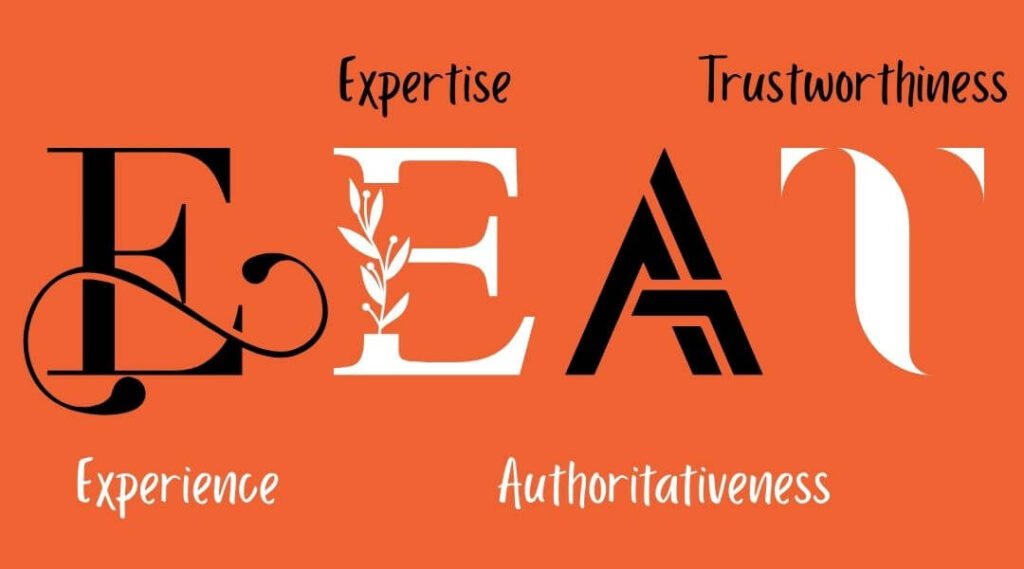
E-E-A-T stands for Experience, Expertise, Authoritativeness, and Trustworthiness. These SEO trust signals are Google’s special sauce to determine if a page deserves a top ranking or not.
Experience
Have you implemented the tactics or launched a campaign that you write about?
Experience means real-world proof. It tells Google that you’re not just regurgitating what someone else mentioned, but you’ve actually tried it. This could be through:
Case Studies: Prove the results of your campaign using screenshots or explaining what you did and what worked.
Experimentation: Record experiments that your team conducted, such as A/B tests or UX upgrades. Both humans and search engines appreciate unique perspectives that can only be provided by first-hand experience.
Tutorials: Step-by-step explanation of a process on how you solved or achieved something. This is proof that you’ve lived it yourself and not just read about it.
The more hands-on experience you show your readers, the higher your credibility and the more successful your content ranking factors will perform in 2026 SEO.
Expertise
Do you have writers who are experts in your industry?
Expertise signals are important because Google wants content authored by experts, people who are known in the industry. Here’s what you can do to highlight your expertise:
Author Bio: Mention any qualifications, work experience or academic achievements of the author to show that their content can be trusted.
Cross Profiles & Publications: Cross-link your LinkedIn, industry press or conference presentations to demonstrate credibility.
Deep Knowledge: Develop content that is very well researched and supported by relevant data.
Expertise signals tell Google and readers that your content is trustworthy and valuable to rank.
Authoritativeness
Are there other reputable sites that link to your content?
Authoritativeness means industry recognition. If websites, publications, or influencers with a good reputation are linking to your content, it means that others value what you have to say and trust your work.
Quality Backlinks: Try to get contextual backlinks from high authority sites only.
Citations & Mentions: These could be industry references, expert roundups or media mentions that sway perceived influence.
Guest Contributions: Publish your guest posts on established platforms. It’ll help improve your visibility and reputation.
Authoritativeness helps Google realize that your site is an authoritative leader on the topic and will help your content rank higher.
Trustworthiness
How credible, verifiable and accurate is your content?
Reputation is what makes users and search engines trust your content. You could have the most amazing content, but it won’t rank well if no one trusts you.
Clear Sources: Always reference studies, research and figures by attaching their links so readers and search engines can verify.
Correct Information: Do not make any mistake, do not exaggerate, it must be accurate to the last iota.
Privacy & Security: If you’re harvesting data, make a point of adhering to privacy. Show trust signals such as HTTPS, contact information and clear disclaimers.
After 2024, Google updates have become very strict. They penalize any and every site that publishes unverified or AI-spun content. If you want to outperform your competitors, build strong brand trust signals for SEO using EEAT strategies.
You can also take a deeper dive into other tips to boost your brand authority through our SEO Guide 2026.
How to Build Brand Authority Through First-Party Content
Google algorithms love the content that is directly supported by first-party evidence. For example, if you’re a lead generation agency and writing a blog about the strategies that work in 2026, try to provide valuable information regarding what you do in real life instead of repeating the generic gibberish already available on hundreds of websites. When you provide insights from real work and real outcomes, it gives your content more weight in the eyes of search engines and readers simultaneously.
Strategies to use:
Case Studies
Share the examples of projects that you’ve worked on. Try to focus on what you did, and how it changed your results to what degree. Adding real numbers also makes your content stronger and trustworthy.
Original Research & Reports
If you have gathered data, run experiments or analyzed industry trends, make content about it. Search engines see this as valuable and will certainly prefer it above articles that are not unique or copied from other sites.
Testimonials & Client Success Stories
Use your real client success stories and testimonials directly within the articles to build website credibility. These testimonials will be proof that your strategies work, and readers will be more likely to trust you.
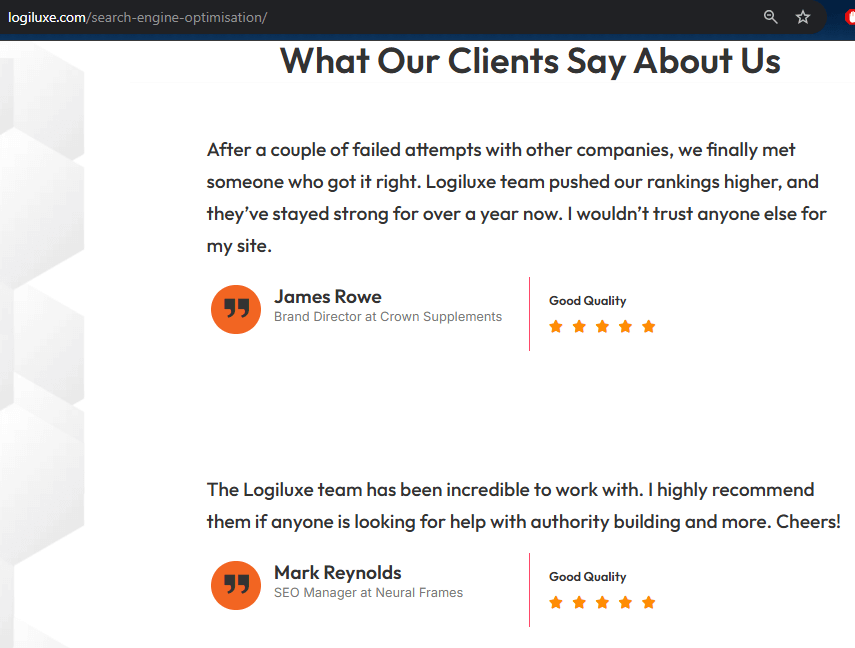
When you create first-party content, it strengthens your trusted brand authority SEO. For a deeper dive into how to train Google ranking factors for your website, see our guide on How to build a content ecosystem.
How To Earn Natural Backlinks To Improve SEO
It’s commonly misunderstood that backlinks don’t matter. However, they remain an important Google ranking factor till today. The only change is that Google now prioritizes quality over quantity, which means you shouldn’t be creating backlinks with any spam or low-quality sites. It’ll only damage your website authority. Here’s how you can earn high-quality backlinks:
Authority Backlinks
Create high-quality and informative content that naturally attracts links from other websites, or let a reliable link-building agency do it for you. 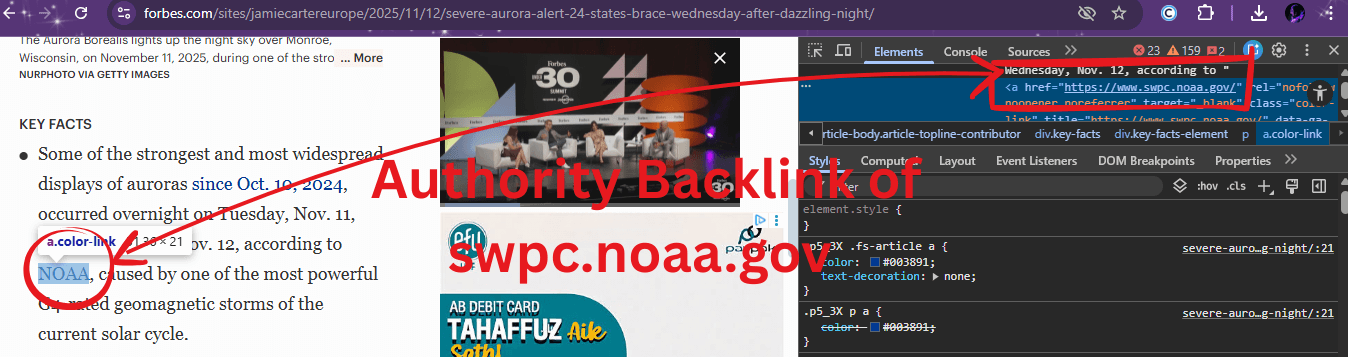
Original Research
Publish your own research or data from surveys or case studies to keep your content original. This type of content often garners editorial links, citations and shares because there’s little to no way others can reproduce or replicate your data.
Comprehensive Guides
Long-form evergreen content like ultimate guides, tutorials, and long-term reference pages do exceptionally well in the SERPs. These pages turn into go-to resources and therefore get a lot of links organically.
Free Tools/templates
If you can offer value to your readers through free tools, checklists, or templates relevant to your niche, they become a good source of organic authority links.
Resource Pages
Many trusted and informational sites write about resources, recommended tools, or useful link pages. If they like your content, all you have to do is shoot them an email or a message with a request for a backlink.
Contextual Link Building & Digital PR
Since AI search and semantic engines are on the rise, they can detect artificially built links right away. Therefore, contextual links earned from digital PR or other collaborations are becoming more popular.
Niche and Industry-Relevant Publications
Work with niche publications, industry blogs or relevant news sources for contextual link building because relevancy is more important than having a bunch of irrelevant links.
Podcasts, Webinars, and Media Appearances
Try to get featured on a podcast or webinar to yield backlinks. These platforms can also give your brand presence a push.
Digital PR & Thought Leadership
Participate in digital PR by pitching stories, data-based information, expert commentary, or newsworthy events. These curious publications help you gain more authority and trust.
Expert Interviews and Collaborative Content
Participate in expert roundups or collaborative content with other authoritative websites to get cited alongside some reputable names. This not only gets you contextual backlinks but also brand collaboration with industry leaders.
White-Hat Guest Posting
Your original White-Hat Guest Posting will still work in 2026; it just must be carried out more accurately and safely than ever before.
Choose the Right Targets
Try to publish your guest posts only on websites that are respected by both search engines and readers. Make sure that the website has real traffic and aligns well with your niche.
Pitch Value: Providing Content
Creating generic content won’t help you out. Try out more distinctive topics that can solve a problem or offer fresh value. This method will increase your guest post’s acceptance chances on the authority websites. One amazing, well-targeted guest post can beat out many low-quality ones. You can also push the post on social, newsletters, or the content hub to increase referral traffic and link equity.
Humanize Your Content By Adding Author Expertise
Google is continuously preferring E-E-A-T SEO and moving towards entity-first indexing, which is why your author’s identity and credibility have become one of the most important Google ranking signals in SEO 2026. If your content is still anonymous, search engines downgrade it, especially in the YMYL niches (health, finance, legal, wellness).
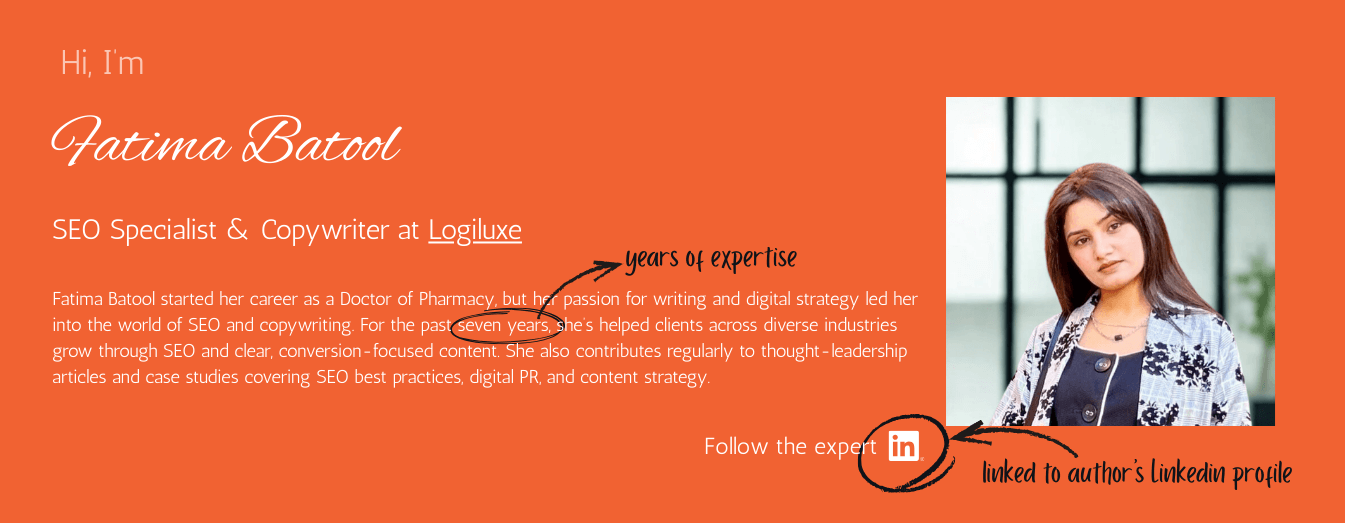
Adding author bio and expertise at the top or bottom of your articles helps boost both your topical authority and brand authority, which ultimately means better organic reach.
Steps To Optimize Author Identity
- Create extensive author bios that highlight more than their name and job title. Highlight their professional credentials, years of expertise, certifications, publications, awards, interviews, and real-world experiences. Each Bio should be linked to a mini landing page that sells out your author as the best expert in that topic.
- Link your author bios to platforms that verify their identity. You can link to their LinkedIn profile, Google Scholar publications, industry association profiles, company bio pages, professional portfolios, YouTube channels or podcasts, etc. Creating these outbound signals will confirm to Google that your author is a real person with real expertise and a digital footprint in your niche.
- Use schema markup by implementing author schema, reviewedBy schema, person schema with attributes, and organization schema that links your author back to your brand.
- Strengthen your author knowledge panel by maintaining consistent bio information throughout the web, publishing content under the same name across multiple authority websites, and getting mentioned in credible publications via Digital PR.
- Make authors a part of your brand story by using their names or faces in video explainers, podcasts, guest blogs, thought leadership articles, and opinion pieces.
Monitor and Manage Your SEO Trust Signals
SEO is a continuous effort. You must keep track of how your SEO trust signals are working. Even a single toxic backlink network can make months of your SEO efforts go down the drain. Therefore, it’s important to use a proactive reputation management strategy as follows:
- Conduct link audits every quarter using tools like Ahrefs, Semrush, Majestic, or Google Search Console.
- Remove any links you have to irrelevant or spammy websites.
- Try to create links with only high authority websites while avoiding low-quality guest posts, reciprocal link schemes, or expired domain stacking.
- Keep an eye on brand mentions since these contribute to your SEO trust signals even without links.
- Counter any negative mentioned professionally by using data-backed information.
Connection Between UX, Core Web Vitals and Authority
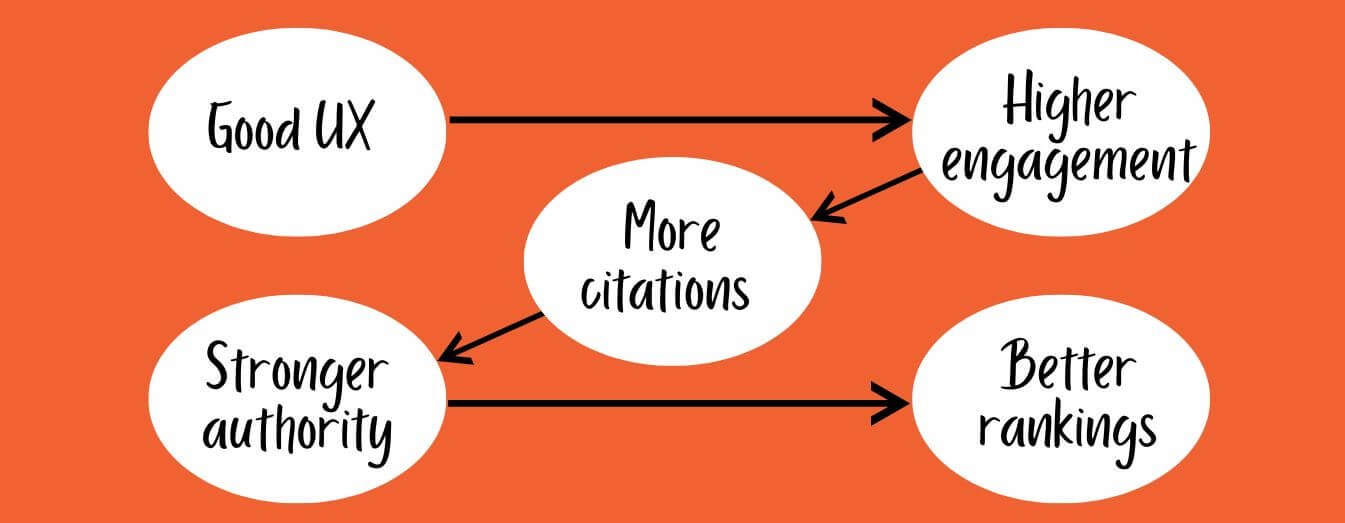
User experience and core web vitals are now an important part of SEO strategy. If your site has a fast loading speed, smooth interactivity, and little to no layout shifts, it will naturally attract authority backlinks from other websites. Our complete guide on how to improve core web vitals in 2026 will help you boost all performance metrics, including LCP, CLS, and FID.
Just like backlinks, you must also keep a track of your core web vitals to track if your website’s load speed is good, page loading is stable, and interactive elements are responding quickly. High performing UX signals to Google that your website is a high authority, engaging, and trustworthy.
Step-By-Step Action Plan to Boost E-E-A-T SEO and Brand Authority
Here’s a checklist to boost your E-E-A-T signals in Google 2026 that you can implement immediately. Following this brand authority checklist 2026 helps you ensure that your website’s E-E-A-T signals are good:
Humanize Authors
Show the search engine and your readers that the person behind your content is very real. Add detailed author bios by mentioning their professional credentials and appropriate schema markup.
Publish First Part Proof
Share some evidence and proof of results you have achieved to show that you are the real deal. Your results, original data, and testimonials can’t be replicated by other websites. If you place them within relevant pages, they create strong brand authority signals for users and algorithms.
Earn Authority Links
Always beware of the low-quality backlinks and only invest in securing editorial backlinks via contextual placements, guest posting on credible industry blogs, and digital PR campaigns. The more high-authority sites link to your content, the higher your topical authority and trust.
Build Brand Footprint
Make your brand identity stronger on the web by increasing branded search volume, increasing entity recognition through mentions on authority platforms, and maintaining consistent NAP details across directories.
Maintain Link Hygiene
Build high-quality backlinks through white hat strategies and then maintain them by running link audits each quarter. This routine check-up helps you spot toxic or irrelevant links that can harm your website in the future. Having clean link profiles means long-term authority.
Optimize UX
User experience is one of the strongest brand signals because search engines put readers in the highest regard. Improve your website UX by boosting Core Web Vitals to ensure that your website has good mobile responsiveness, loading speed, and a lower bounce rate.
The Bottom Line
SEO is changing quickly. Every other day, there is a new update to make the user experience better than before. Therefore, boosting your brand authority and E-E-A-T signals in 2026 requires a number of strategies, including first-party content generation, natural backlink acquisition, author transparency, brand recognition, and best link hygiene. Try implementing all strategies that we have learned in this guide, and your site will see a significant growth in search engine rankings.