

Local SEO Strategies 2026: A Complete Guide
Local SEO is very important if you want your business to be found by customers in your area. Although things have gone online, people still search for products and services nearby for several reasons. Therefore, optimizing your online presence for local searches can help you get more relevant and convertible traffic. Around 60-88% of mobile users contact a business within 24 hours of searching locally, which highlights the importance of local SEO.
In this comprehensive guide, we’ll walk you through the most effective local SEO strategies in 2026 and share some tips and tricks on how you can improve your local search rankings. Let’s get started!
What is Local SEO?
Local SEO means to optimize your online presence in such a way as to rank higher in the search queries within your specific region. It is particularly important to make sure that your business is discoverable when potential customers search for products or services in your area. This is especially crucial for businesses that have a physical location, like restaurants, retail stores, service providers, or any business that wants to target customers in a specific geographical location.
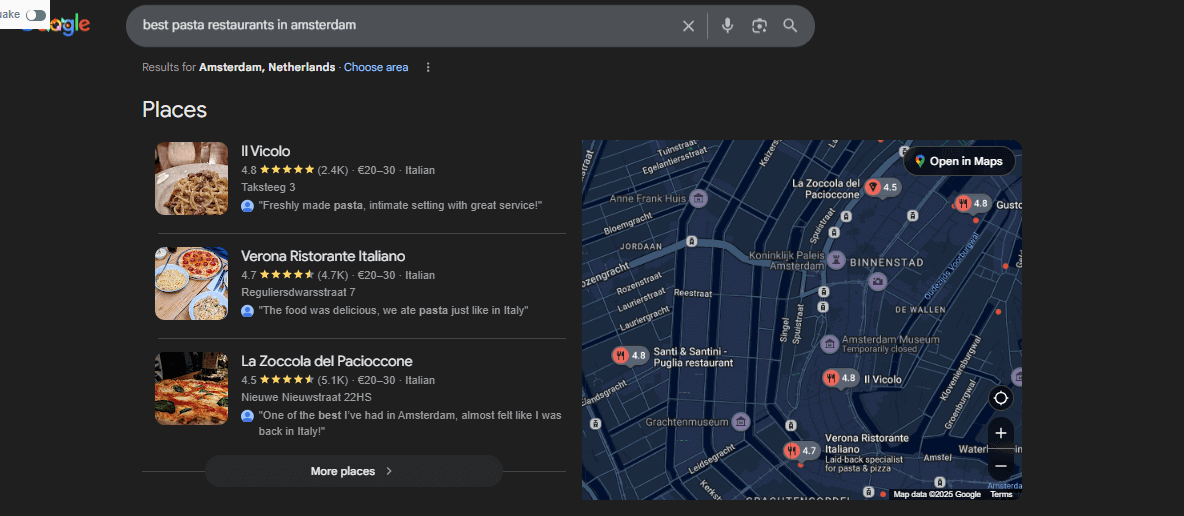
Since mobile search and voice search have dominated online search, local SEO is more important than ever before. Now Google uses a combo of several factors to rank any business in local search results. These factors may be proximity, relevance, and prominence. If you do Local SEO correctly, it helps you show up in the Google 3-Pack (the top three local results displayed with a map), which is the best place to attract new customers.
Why Does Local SEO matter?
Investing in Local SEO helps you gain:
Increased Visibility: When you optimize your business website for local search results, you get a higher chance of appearing in the Google 3-Pack. It is often the first thing that potential customers see and visit when searching for businesses near them.
Higher Conversion Rates: People making local searches usually have a high conversion intent. For example, if a user is searching for the best restaurant in Amsterdam or a plumber in New York, they most likely need to make a purchase or request a service. Therefore, Local SEO is a gold card for businesses that want to gain more customers within their region.
Improved Local Engagement: Local SEO also helps you connect closely with your community. When you appear in the local search results, nearby customers will likely notice you. It can increase the likelihood of purchases, word of mouth recommendations, reviews, and most importantly, repeat business.
How to Improve Local Search Rankings?
Improving your local search rankings requires both on-page and off-page optimization strategies. Besides that, you also need to consistently update your Google My Business (GMB) profile to provide the latest information regarding your business to search engines and users all the same. Here are the key local SEO tactics that can improve your rankings.
1. GMB Optimization for Local SEO
GMB is one of the most powerful tools to enhance your local rankings. If your Google business profile is optimized and contains all important information relevant to your business that users might be searching for, your chances of appearing on the Google Local Pack boost severalfold.
Tips for Optimizing Your GMB Profile
Complete All Information: Add all your business details, including Business Name, Address, Phone Number (NAP), and website URL accurately and keep it up-to-date and consistent on all platforms. Having varying information on various platforms can confuse both the customers and search engines, leading to trust issues and lower rankings.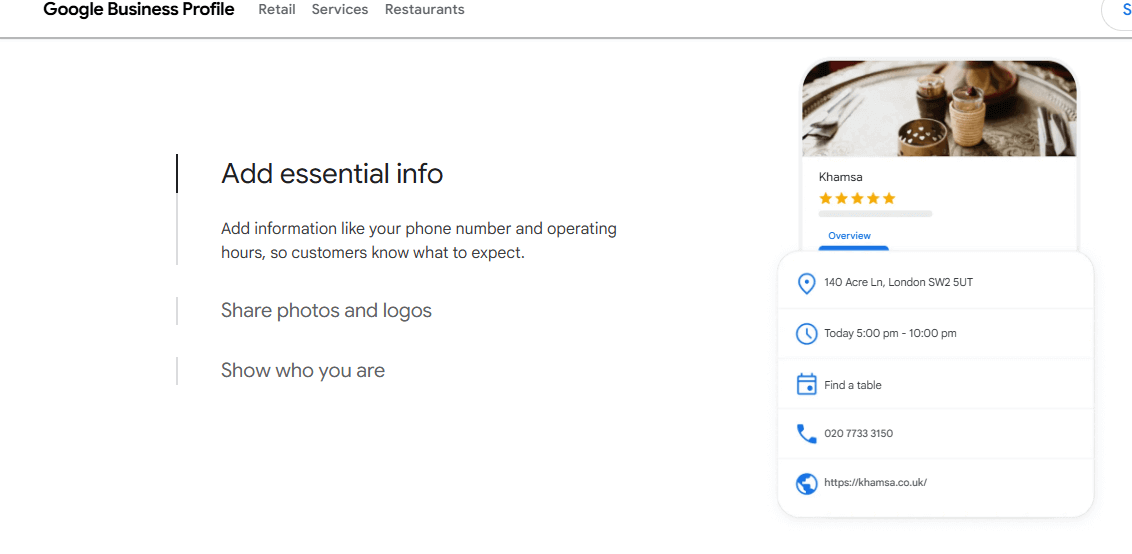 Regular Updates and Posts: Add regular posts and updates like special offers, news, and events to your GMB profiles. These regular updates keep your profile fresh and also send signals to search engines that your business is active and trustworthy.
Encourage Customer Reviews: Positive customer reviews act as trust signals to both Google and potential customers. Businesses with higher ratings and positive customer reviews get preferred in the local search results. You also should respond to all reviews, whether positive or negative, to indicate that you value your customer feedback.
Add Photos and Videos: Google business listings with photos receive 42% more requests for directions and 35% more CTR. Upload high-quality images of your services, products, staff, and premises. 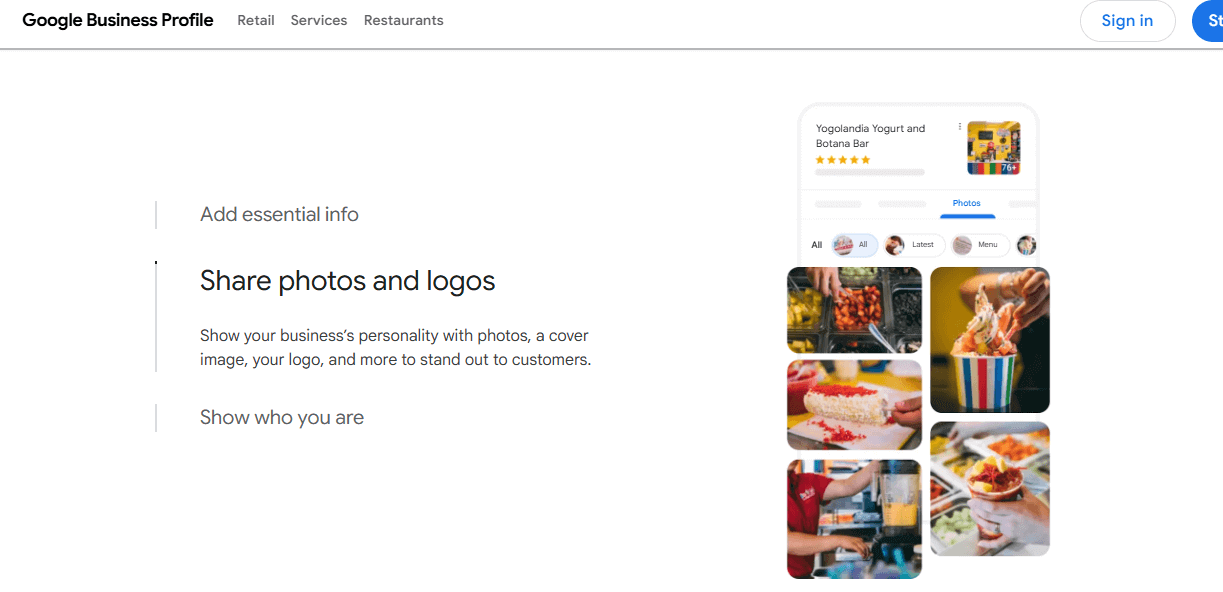
2. Mobile Optimization for Local SEO
More than half of the Google searches come from mobile devices, and if your website is not optimized for mobile, you’re losing local customers. Google’s mobile-first indexing ensures that your site runs smoothly on mobile devices to improve your rankings.
Mobile Optimization Tips
Page Speed Optimization: The Loading speed of your site and its pages greatly impacts your user experience. Slow loading times mean your bounce rate is high, which can hurt your rankings. Use tools like Google PageSpeed Insights to test your site’s loading speed and optimize it for faster loading by compressing images, minimizing JavaScript, or using cache.
Responsive Web Design: Web responsiveness means that your site should adjust automatically to fit the screen size of any device used by the user. Make your website design responsive for tablets, smartphones, and desktops to ensure that all of your users experience a good time on your website.
Click-to-Call and Click-to-Map Features: Mobile users are often searching for businesses while on the go. Therefore, it is important to add your contact info or pin locations so as to make it easy for them to reach out to you. Add a prominent click-to-call button on your contact info. And make sure that your address links directly to your location on maps for easy navigation.
Mobile-friendly Navigation: Laptop screens can accommodate large amounts of data on your websites, but we can’t say the same for mobile screens. You should ensure that your website has a clear and simple menu with easy-to-read text and quick access to key information. The easier you make it for your users to navigate your website on mobile devices, the higher your rankings. 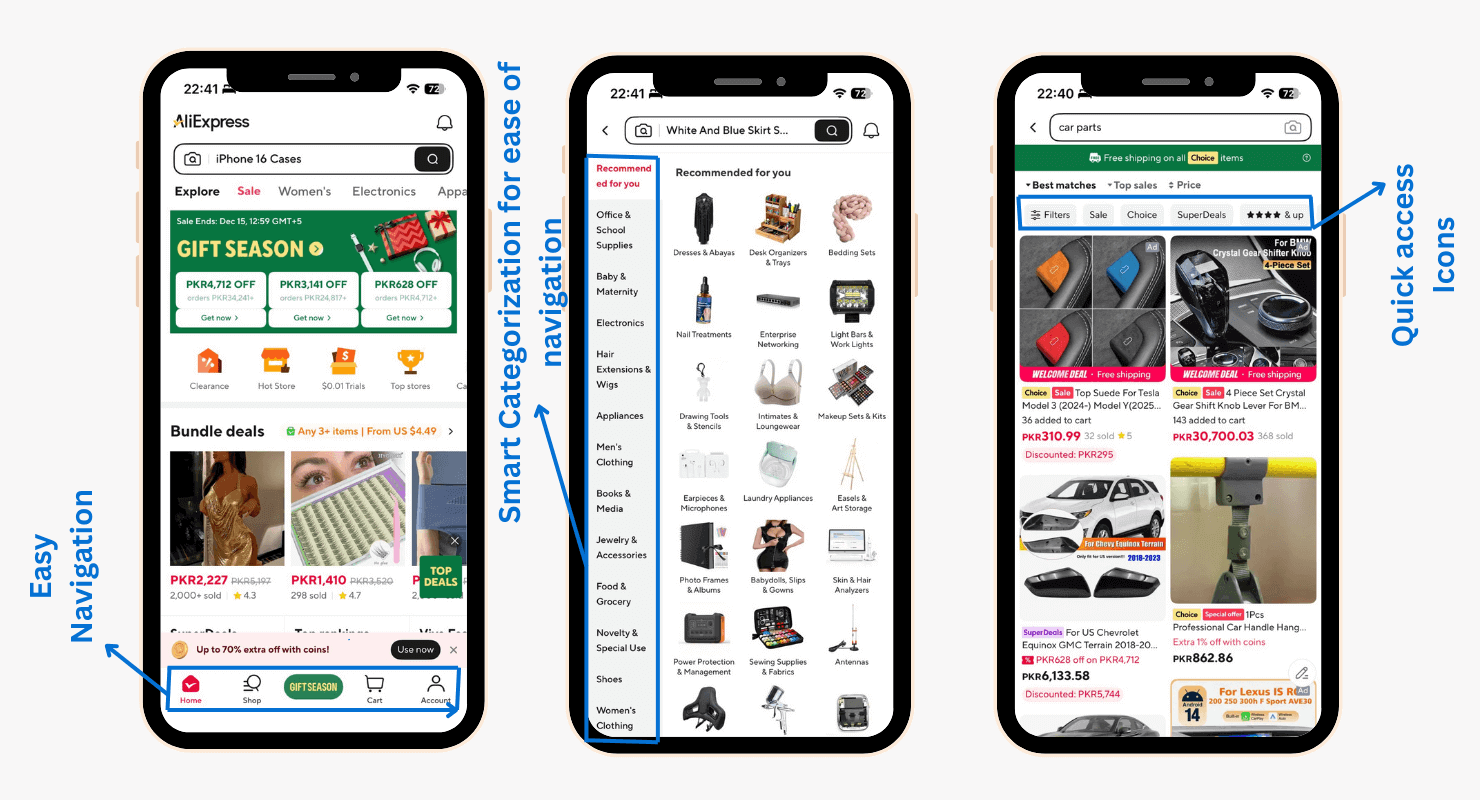
3. Local Keywords Research and Content Strategy
Begin with Keyword research for user intent in your niche. Optimizing your website for high-performing keywords is one of the core Local SEO strategies. You need to understand the terms your audience is searching for in your particular region and create content that answers directly to their queries.
Tips to Conduct Local Keyword Research
Use Keyword Tools: Tools like Google Keyword Planner, Ahrefs, or Ubersuggest help you discover the local search terms that are relevant to your business. Find keywords that include your city, neighborhood, or region and utilize the long tail ones for better relevancy, like ‘best pasta places in California’ or ‘emergency HVAC services in Grain Valley’.
Do Competitor Analysis: Using Ahref or Semrush, you can find out what your local competitors are ranking for. Those insights will help you find the most potential keywords and the keyword gap to find new opportunities for your business.
Incorporate Location Specific Terms: Local search results usually focus on location-specific keywords. Therefore, you should use the names of your neighbourhood, local landmarks, or city in your content to help your customers find you.
Local Content Strategy Tips
Content strategy is another important aspect of Local SEO.
Create Location Specific Content: Make and publish only the content that speaks directly to your community. You can create blog posts, customer success stories, and case studies of customers within your region to build trust with your audience and Google search engines. For example, if you’re a local plumber, write about common plumbing issues in your city and how to tackle them.
Optimize Your Website for Local Search Intent: Local search intent varies for groups of people depending on the type of service you provide or the products you sell. For example, if you run a coffee shop in Kansas City, try to optimise your page with ‘best coffee in Kansas City – open now’ to target the search related to the best coffee shops in Kansas City. ‘
Use Structures Data (Schema Markup): Adding schema markup can help the search engines and Google crawlers to understand your content better. For Local SEO, use Local business schema to mark up important details like your phone number, address, hours of operation, and more. This content strategy helps you improve your visibility in the rich snippets and local search results.
4. Local Citations and NAP Consistency
Citations mean the mentions of your business name, address, and phone number. Getting local citations is an important aspect of local SEO. You must ensure that your NAP (Name, Address, Phone number) stays the same on every place where your business is listed or mentioned. Having consistent NAP information helps to establish your business’s legitimacy and, therefore, search engines rank you higher in local search results.
Tips for Building Local Citations
Claim and Optimize Listings: Add your business to local listings and ensure that all information is accurate. The key platforms that you can target are Yelp, Facebook, Foursquare, Apple Maps, etc.
Consistency is Key: NAP consistency is crucial to keep trust with search engines. So make sure that your NAP info stays the same across all directories, citations, and websites.
5. Local Link Building
Authoritative link building is a crucial aspect of SEO, and Local SEO is not an exception. Acquiring local backlinks from credible resources in your local region can help you generate credibility in your local region as well. Creating backlinks with local news outlets, local chambers of commerce and industry associations can improve your local search rankings and boost your overall credibility.
Tips for Local Link Building
Partner With Local Influencers: You can collaborate with your local region’s bloggers, journalists, news outlets, and influencers to create content that naturally earns backlinks to your site.
Submit to Local Directories: Listing your business in local directories is a very important link-building step. Target Yelp, Yellow pages, and niche industry directories, and make sure that your NAP information is consistent through all listings.
Sponsor Local Events or Charities: Sponsoring the local events, community programs or charity programs can provide you a good opportunity to get backlink placements on the local event websites and press releases that share a good amount of link juice and referral traffic.
6. Engagement with Local Community and Social Media
In the past, social media engagement didn’t really matter for optimizing your business profiles via SEO. However, now that SEO has evolved, search engines take into account your business activities across all possible platforms, including listings, GBP, website, social media, forums, and whatnot. Therefore, engaging with your local community online can help to increase your business’s visibility and ultimately local search rankings. Build a strong presence on social media platforms like Instagram, Facebook, LinkedIn, and more to connect with potential consumers and share valuable content to create a community and build trust.
Engagement Tips
Social Media Check-ins and Hashtags: Ask for check-ins or encourage the use of location-based hashtags for customers writing about your business. This is a great way to increase your visibility in your area and bring attention to your brand.
Join Local Groups and Forums: Get involved in local Facebook groups or Reddit communities, or forums where your audience hangs out and provide helpful tips and subtly market your services when possible.
Host or Attend Local Events: You can enjoy the opportunity to chat with potential customers by hosting or attending events with local businesses and get some great exposure, as well as backlinks from local media coverage.
7. Optimizing for Voice Search in Local SEO
Now that voice search is growing, it’s even more crucial that you structure your content for natural language searches. People use voice search for fast, location-based questions like ‘Where’s the closest park’ or ‘What’s the best cafe near me?’
Voice Search Optimization Tips:
Target Conversational Keywords: Incorporate conversational keywords and phrases into your content, like ‘Where is a plumber in New York City?’
Create FAQ Pages: Most of the voice searches are questions. If you have a strong FAQ structure in place, this can help boost your chances of ranking for these types of queries.
Use Structured Data: Employ schema markup questions and answers to boost your chances of being featured in the Google voice search results.
The Bottom Line
Local SEO is a continual process that needs constant updating and engagement. You don’t achieve success overnight because building trust with your audience and search engines takes time. You must keep up with search trends and constantly improve your Local SEO strategy to stay ahead of your competitors.
Concentrate on giving local audiences value by being easy to discover and maintain strong community relationships. Use tools like Google Analytics to track progress and pivot as necessary. Everything you do now for local SEO will pay off in visibility, calls and sales down the line.